


Two members of the MIB Lab were present at the TIBS conference in Aarhus
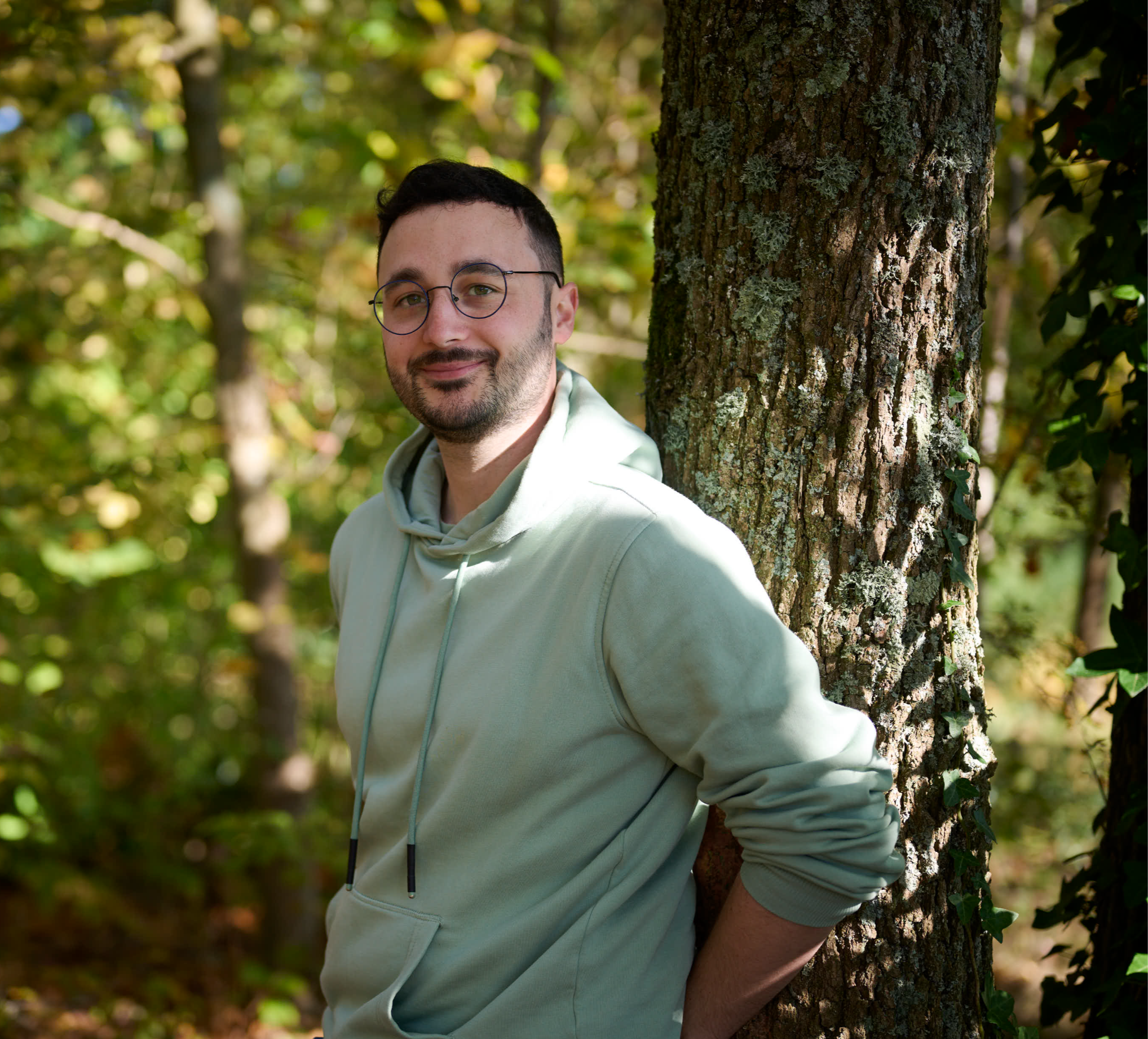

Two members of the MIB Lab recently braved the Danish winter to attend the TIBS conference in Aarhus (6-10th January 2026), a major international meeting on biogeography where researchers gather to discuss how species, ecosystems, and climates are distributed across space and time.

Adèle Hotermans, one of the PhD candidates in the group, gave an oral presentation on the first study of her thesis project, about the Lilliputians in decline. Bryophytes, i.e. the Lilliputians, are particularly sensitive to climate change as they essentially depend on atmospheric precipitation for their water and nutrient supply. In fact, today, 23% of European bryophytes are threatened with extinction. In this context, her first paper quantified the impact of climate change on the distribution of bryophytes in Europe at the 2100 horizon. She highlighted a predicted decline of suitability in the north for Artico-Alpine species while Mediterranean and Temperate ones are predicted to migrate northly pointing to a risk of increased competition in the future for Nordic species. This was a great opportunity for her to share her research with an international community and to receive feedback from experts in biogeography and ecology.

Jules Sougnier, another PhD student in the lab, presented a poster based on the first study of his PhD project. His work focuses on migration abilities of the alpine flora in the context of global changes based on past Species Distribution Models and population genetic patterns. Reconstructing its past demographic history into a spatially coalescence approach, he aims to determine migration rates of the recolonization of the Alps during the Last Glacial Maximum. Those features could be integrated in simulations of flora demographic response to the ongoing and future climate changes. The interactive atmosphere of the poster hall helped him increase the visibility of his work within the biogeography community.
Despite the freezing temperatures outside, both of them managed to keep their enthusiasm (and hands) warm enough to defend their projects with energy. Their participation in the TIBS conference marks an important milestone in their PhD journeys and a proud moment for the MIB Lab, highlighting the growing contribution of the group to the understanding of plant ecology and biogeographical patterns.


Comments