


A week at the World Biodiversity Forum 2026
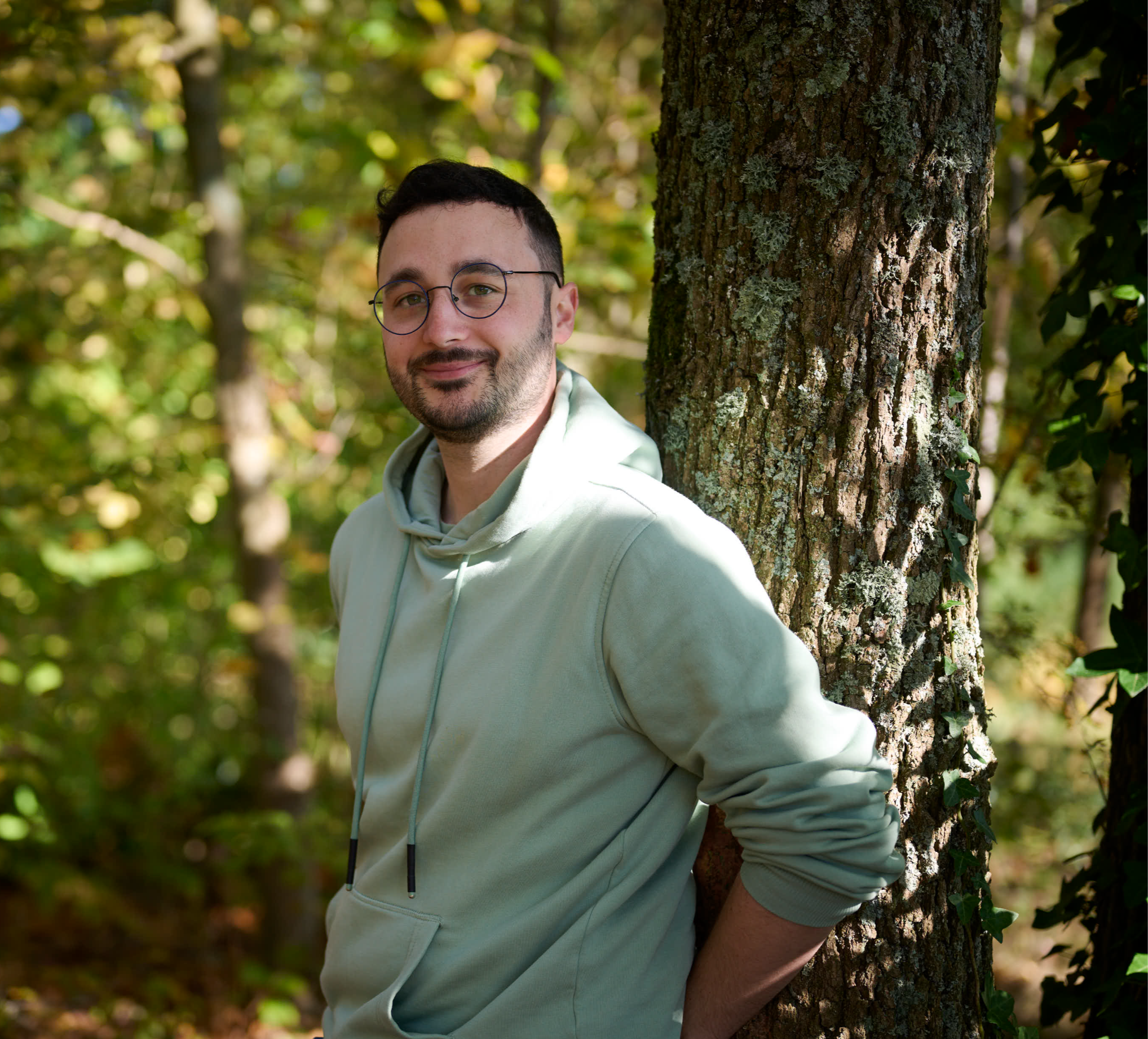
Earlier this June, I had the privilege of participating in the World Biodiversity Forum 2026, held in Davos, Switzerland. This fourth edition of the forum brought together scientists, practitioners, and stakeholders from across the world under the theme “Leading Transformation Together”, with the shared goal of addressing biodiversity loss and fostering actionable, cross-sector solutions.

During the conference, I had the opportunity to present research led by my student, Adèle Hotermans. Her work focuses on understanding biodiversity responses to environmental change, particularly through the lens of bryophytes and fine-scale ecological processes. At WBF2026, I presented a comprehensive assessment of the impacts of climate change on bryophyte distributions across Europe, based on a unique dataset of more than two million occurrence records and high-resolution species distribution models. The results highlight substantial projected habitat losses for many species and important northward shifts, emphasizing the urgency of identifying climatic refugia and improving conservation strategies. It was a great opportunity to showcase her work to an international audience and raise awareness on an overlooked plant taxon.
Beyond my own presentation, the forum was an incredible space for exchange. I had the pleasure of discussing with many colleagues, including Antoine Guisan and Aline Sigrist, who presented our collaborative work on the biodiversity-health nexus. Our project explores how biodiversity can be better integrated into clinical practice by using spatial biodiversity maps to foster dialogue with patients and raise awareness about the links between nature, health, and well-being. More broadly, this work highlights the importance of collaboration between social and biological sciences. Such interdisciplinary approaches are essential to improve our ability, as ecologists, to communicate about biodiversity and to better understand and bridge the significant gap between objective measures of biodiversity and people’s perceptions of nature.
One of the most memorable aspects of the forum was its setting. Nestled in the Swiss Alps, Davos offers a truly unique environment for scientific reflection. I especially enjoyed a hike to the Seehorn. Whether overlooking alpine landscapes or Lake Davos, the scenery was simply stunning (see the pictures below).
Finally, I was impressed by the diversity and quality of the presentations throughout the week. With hundreds of sessions spanning topics from fundamental ecology to policy, finance, and social dimensions of biodiversity, the forum truly captured the complexity of the challenges we face. The discussions reinforced the importance of integrating knowledge across disciplines and scales, and of building strong collaborations to tackle the biodiversity crisis.
Overall, the World Biodiversity Forum 2026 was an inspiring experience, both scientifically and personally.


Comments